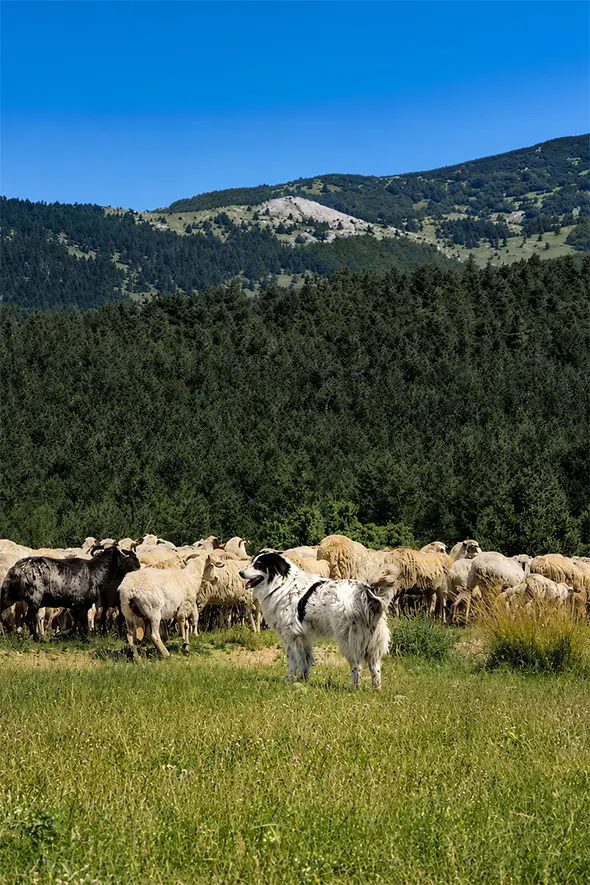
Long before the Tornjak had a name written in any registry, it had a purpose. For centuries, these powerful guardians lived among shepherds in the rugged Dinaric Alps, protecting flocks and families through harsh winters, difficult terrain and encounters with predators. Like many ancient livestock guardian breeds, the Tornjak was not shaped based on appearance, but by the survival needs of the people who depended on them.
Ancient Origins
While the exact origins of the breed remain subject of historical discussion, many believe the Tornjak arrived alongside nomadic shepherds. Some theories trace its ancestry back to the Roman Empire, while others suggest connections to early Asian guardian breeds like the Tibetan Mastiff or Bankhar. History may keep its secrets, but today it's accepted that Tornjak type dogs have lived in the mountains of Bosnia and Herzegovina and Croatia for at least a thousand years.
1067First written account of the Tornjak
The oldest written record is referenced from the archives of the Đakovo, a region within modern Croatia. Like many ancient breeds, written records do not mark the beginning of the breed, but rather the moment when people began recording what had already existed for generations.
1374 & 1752Supporting documentation
Two additional historical documents, written by Đakovo Bishop Peter Horvat (1374) and Đakovo canon Petar Lukić (1752), describe the Bosnian-Croatian shepherd dog. Many of the characteristics recorded centuries ago closely resemble the modern Tornjak. These documents emphasize that such dogs were present in vast numbers throughout the mountain regions of Bosnia and Herzegovina and Croatia.
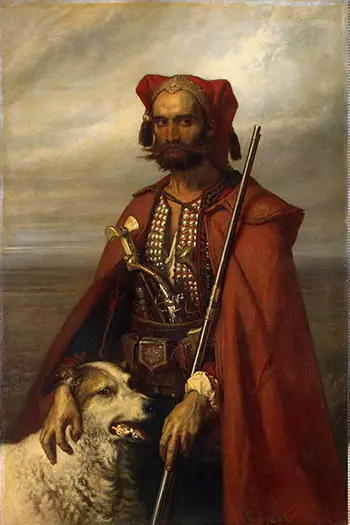
1854Sentinel the Croat
A painting by Louis Gallait titled "Sentinel the Croat" is believed to depict a Tornjak. Although the dog's identity cannot be confirmed, this painting is important because it's frequently referenced as evidence that dogs of this type were present throughout the region long before modern preservation efforts began.
15th-19th CenturiesFaithful service
For centuries, very little changed. Tornjaks remained indispensable working partners for shepherds throughout the Dinaric mountain range. Their role changed very little as they continued protecting livestock and family property across Bosnia and Herzegovina and Croatia.
Early to Mid 1900sNear extinction
Seasonal migration was once an essential part of life for shepherds in the Dinaric Alps. As flocks moved between mountain and lowland pastures, the Tornjak was always there to guard them. But as those traditions faded and modern agriculture took their place, the Tornjak's numbers declined dramatically. By the middle of the twentieth century, the breed had come dangerously close to disappearing forever.
1972Preservation efforts begin
Recognizing the decline, dedicated cynologists and breeders in both Croatia and Bosnia and Herzegovina launched simultaneous efforts to locate the remaining traditional mountain dogs. Their goal was to preserve and restore the breed described in historical documents. The modern Tornjak population descends from these carefully selected native mountain dogs that best represented the historical type.
2002Croatia takes action
In the late 1990s, Croatia had placed its declining wolf population under legal protection. While this was an important step for conservation, it worsened the conflict between wolves and livestock producers. The 'Conservation and Management of Wolves in Croatia' Project took an innovative approach to wolf conservation by helping farmers protect their livestock instead of removing predators. Tornjak puppies were provided to livestock owners, allowing wolves and farmers to coexist while restoring the Tornjak's traditional role as a working livestock guardian.
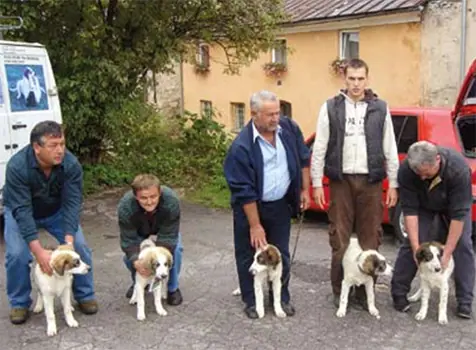
2007Provisional recognition by FCI
The Tornjak earned provisional recognition from the Fédération Cynologique Internationale (FCI) under the official name 'Bosnian-Herzegovinian-Croatian Shepherd Dog'.
This marked an important turning point. Until then, Croatia and Bosnia and Herzegovina had managed their preservation programs independently. For the first time, both countries began breeding under a shared international standard, creating greater consistency for the breed's future.
By this time, nearly 3,000 Tornjaks had been registered across the two countries.
2017Definitive acceptance to FCI
Following ten years of provisional recognition, the Tornjak was granted definitive recognition by the Fédération Cynologique Internationale (FCI). For a breed that had come dangerously close to extinction only decades earlier, this milestone represented far more than official recognition. It was proof that years of careful preservation had succeeded in securing the Tornjak's place for future generations.

Today
Tornjaks continue to grow in popularity and can now be found in countries throughout Europe, with dedicated breeders and owners helping the breed expand across America. The Tornjak Club of North America is working diligently toward American Kennel Club recognition, while enthusiasts proudly showcase their Tornjaks from coast to coast in both the United States and Canada.
While popularity is an exciting milestone, it should not come at the expense of the Tornjak's ancient instincts or character. So as the breed grows, so does the responsibility to preserve it. We must remember it took decades of dedication, international cooperation and trust amongst the community to bring this remarkable guardian back from the brink of extinction.
We cannot preserve what we do not understand, therefore it's important to educate ourselves. With numbers still small, every breeder, good or bad, becomes part of the Tornjak's story. By understanding and supporting responsible preservation efforts, you can help ensure the Tornjak's future is as remarkable as its past.
References available by request