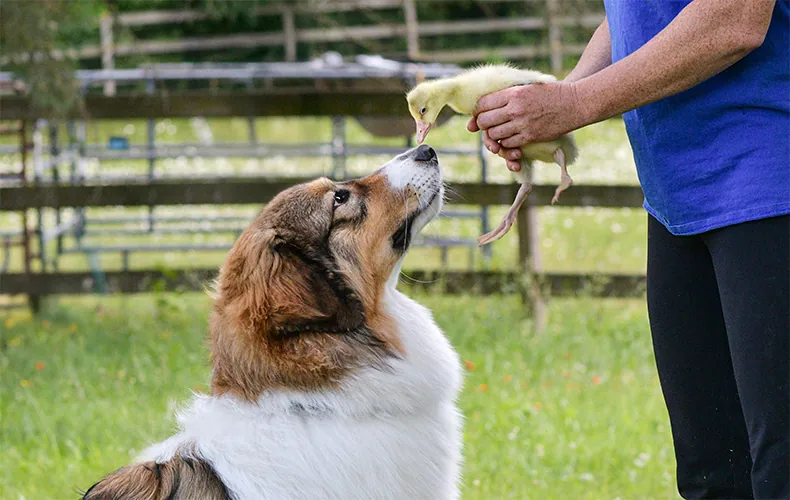
The quickest way to understand Tornjak temperament is to look at the job that shaped it. Organized restoration of the Tornjak only began about 50 years ago, leaving relatively few generations between today's dogs and their ancestors.
Picture a nomadic shepherd from a previous century. He leaves home with a flock of sheep and a few dogs by his side. There are no cars. No leashes. No processed kibble in his pack. The shepherd and his flock set off on foot, prepared to spend months grazing in the mountains, far from the village.
Life looked very different then. Livestock meant food, warmth and trade. Ultimately, livestock meant survival. Protecting the flock was essential and Tornjaks depended on that success too. If the shepherd didn't eat, neither did his dogs. The dogs that did their job well were the ones that lived to see another season.
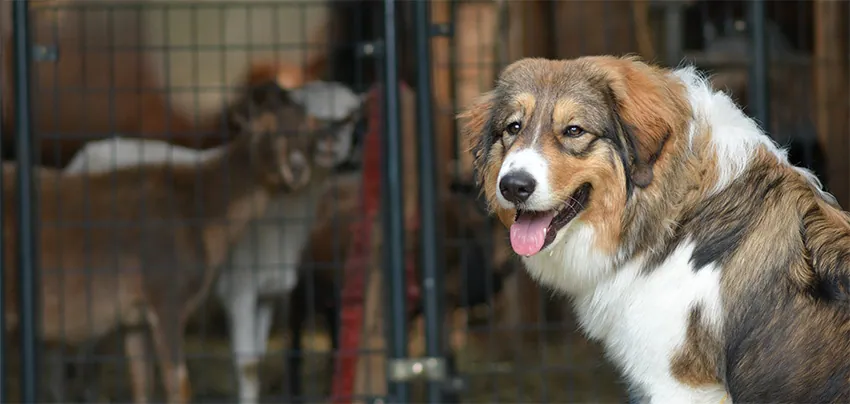
Tornjaks as a livestock guardian
The Balkan mountains were (and still are) home to formidable predators, including wolves, bears and lynx. Like other livestock guardian dogs, Tornjaks relied heavily on deterrence. They learned the boundaries of their territory and noticed when something didn't belong. OBSERVANT. They regularly checked perimeters, dutifully marked their territory with scent and barked to announce their presence. However, sometimes deterrence wasn't enough.
When a predator pushed closer, the dogs had to decide when to respond and then have the confidence to stand their ground. COURAGEOUS. Tornjaks often worked as a team, with some remaining close to the flock while others confronted a threat. Yet there wasn't always a shepherd nearby giving directions. Each dog needed to assess what was happening, understand its role and make decisions for itself. INDEPENDENT.
Maintaining order was also important for survival. Keeping the flock together during a predator attack, helping teach younger dogs and even breaking up conflict among animals were all part of a guardian's responsibility. When chaos broke out, Tornjaks had to be assertive enough to step in, take control and restore order. DOMINANT.
All of this required constant awareness, but also discernment. A dog that wasted its energy chasing every fox across the mountain could leave its flock vulnerable. Likewise, a dog that charged headfirst into a pack of wolves would probably never come home. A successful guardian had to evaluate situations and respond appropriately. INTELLIGENT.
Living with an observant, courageous, independent, dominant and intelligent dog
These are confident dogs accustomed to having agency. They make their own decisions and are committed to following through. This can be incredibly impressive to watch when their opinion aligns with yours, but not so much when it doesn’t.
That same willingness to take charge is where the Tornjak's dominant nature becomes important to understand. It isn't necessarily expressed through aggression, but through a dog that is perfectly comfortable assuming authority. Without clear human leadership and boundaries, this breed can begin deciding how the household should operate and enforcing those rules for everyone. Part of living with a Tornjak is appreciating their instincts while being prepared to step in when their judgment differs from your own.
Tornjaks and livestock
Guarding wasn't only about confronting danger. Tornjaks lived among the animals they protected, so living peacefully with the flock was important too. Earning the animals' trust required them to be calm and respectful of their boundaries. They also needed to be gentle with vulnerable young, old or sick animals while remaining unfazed by the everyday commotion of life among a flock. STEADY.
A newborn lamb could benefit from a warm dog curled up nearby, but a protective mother could want space. Tornjaks needed to read those interactions and adjust their behavior accordingly. EMPATHETIC. That awareness also helped them notice subtle changes in behavior, sound or smell that signaled something wasn't quite right.
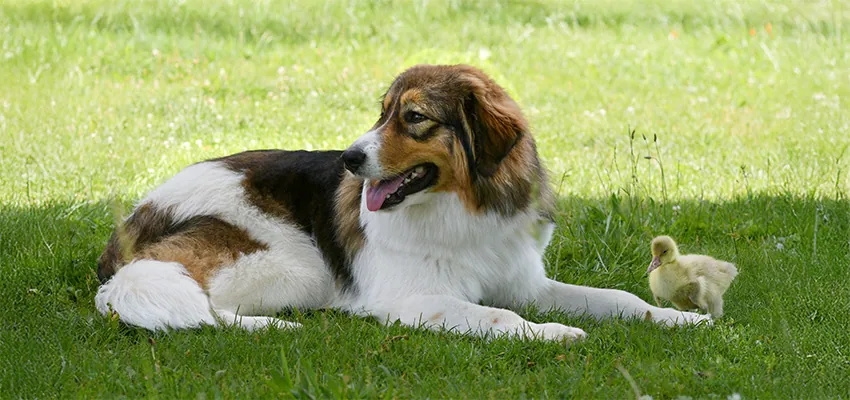
Living with a steady and empathetic dog
Tornjaks are wonderful moral support dogs and know exactly when someone needs comforting. They don't require constant entertainment or attention. That same easygoing nature makes them wonderfully tolerant of noises and the clumsy affection of children.
Of course, natural instinct doesn't replace training. Puppies still need supervision and guidance, but even from a young age, you can often see the temperament that makes them so well suited for their job.
Tornjaks as family guardians
A Tornjak's bond extended to the shepherd and his family as well. Shepherds and their dogs traveled together, worked together and often slept alongside the flock at night. Their lives were intertwined. They depended on one another and built a relationship rooted in mutual trust. PARTNERS.
Since livestock held considerable value, theft was a real concern. Unfamiliar people approaching livestock or property weren't automatically assumed to belong there. A useful guardian could accept someone welcomed by their shepherd while remaining wary of strangers approaching their territory alone. DISCERNING.
Through all that time spent together, Tornjaks formed close bonds with their people. They sought their company, rested near them and watched over the family just as naturally as they watched over the flock. AFFECTIONATE.
Those were the dogs worth keeping. The dogs worth feeding. The dogs worth breeding. And eventually, the dogs whose innate instincts were passed on to the next generation.
Living with an affectionate, discerning family partner
Tornjaks form incredibly close relationships with their people. They seek out our company and enjoy keeping tabs on what we're doing. Though it varies by individual dog, their affection for family doesn't always extend to strangers. Some happily welcome guests while others remain politely not sold on the idea. Either way, a well-adjusted Tornjak should respect your decision to welcome someone onto your property, while suspicion toward unfamiliar, unaccompanied people is expected of the breed.
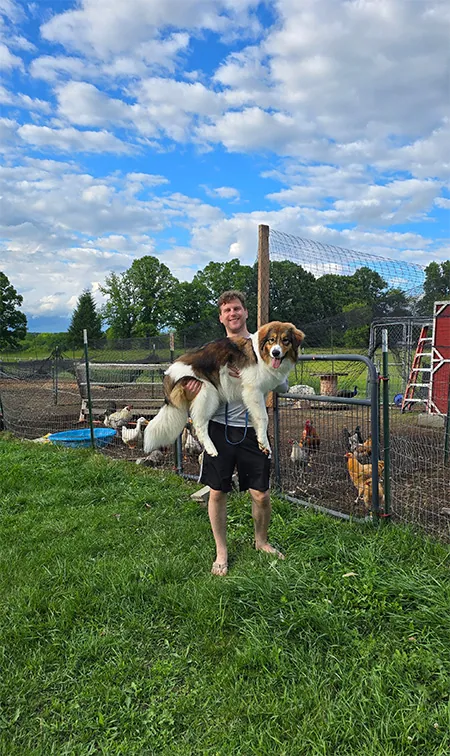
Living with history
Living with a Tornjak means living with the whole temperament, not just the pieces that are convenient in a modern home. Their independence requires guidance. Their confidence requires boundaries. Their guardian instinct comes with responsibility.
I see pieces of their history in my dogs every day.
I see it when they notice something in the yard before I do. When they choose a spot where they can watch everything happening around them. When they're wonderfully patient with something they consider vulnerable, yet suspicious of something unfamiliar. When they make a decision I didn't ask them to make. When they want to be near us without needing constant attention. These aren't just quirks of my individual dogs. They're glimpses of something much deeper.
The breed standard describes this temperament as:
“Of steady disposition, friendly, courageous, obedient, intelligent, full of dignity and self-confidence. Fierce in guarding property entrusted to him, cannot be bribed and is suspicious of strangers. Devoted to his master and very calm in his presence. Very affectionate towards persons living in his immediate vicinity. Learns quickly and keeps this in his memory for a long time, gladly performs tasks assigned to him. He is easy to train.”
I believe it’s easy to read words like friendly, affectionate, fierce or suspicious and interpret them through our own experiences with other dogs. However, understanding the work that shaped the Tornjak gives those words context. Considered together, they describe a complex, capable dog that, in the right home, is an extraordinary companion.